Wood vs. Faux Wood Blinds in Northern Virginia

NoVa Blinds Shades Shutters • August 20, 2026

Share this article

Which Is Better: Wood or Faux Wood Blinds in Northern Virginia?


Wood blinds offer authentic natural beauty and a lighter feel, while faux wood blinds provide greater resistance to moisture and everyday wear. The better choice depends on the room, window size, sunlight, and how you use the space.


Rachel Brittain, co-founder of NOVA Blinds, Shades & Shutters, approaches this comparison from a product-performance perspective. Her manufacturing background helps Northern Virginia homeowners understand what happens after blinds are installed, not just how they look in a sample.


For some rooms, genuine wood is difficult to beat. In others, an engineered faux wood blind may be the more practical choice.


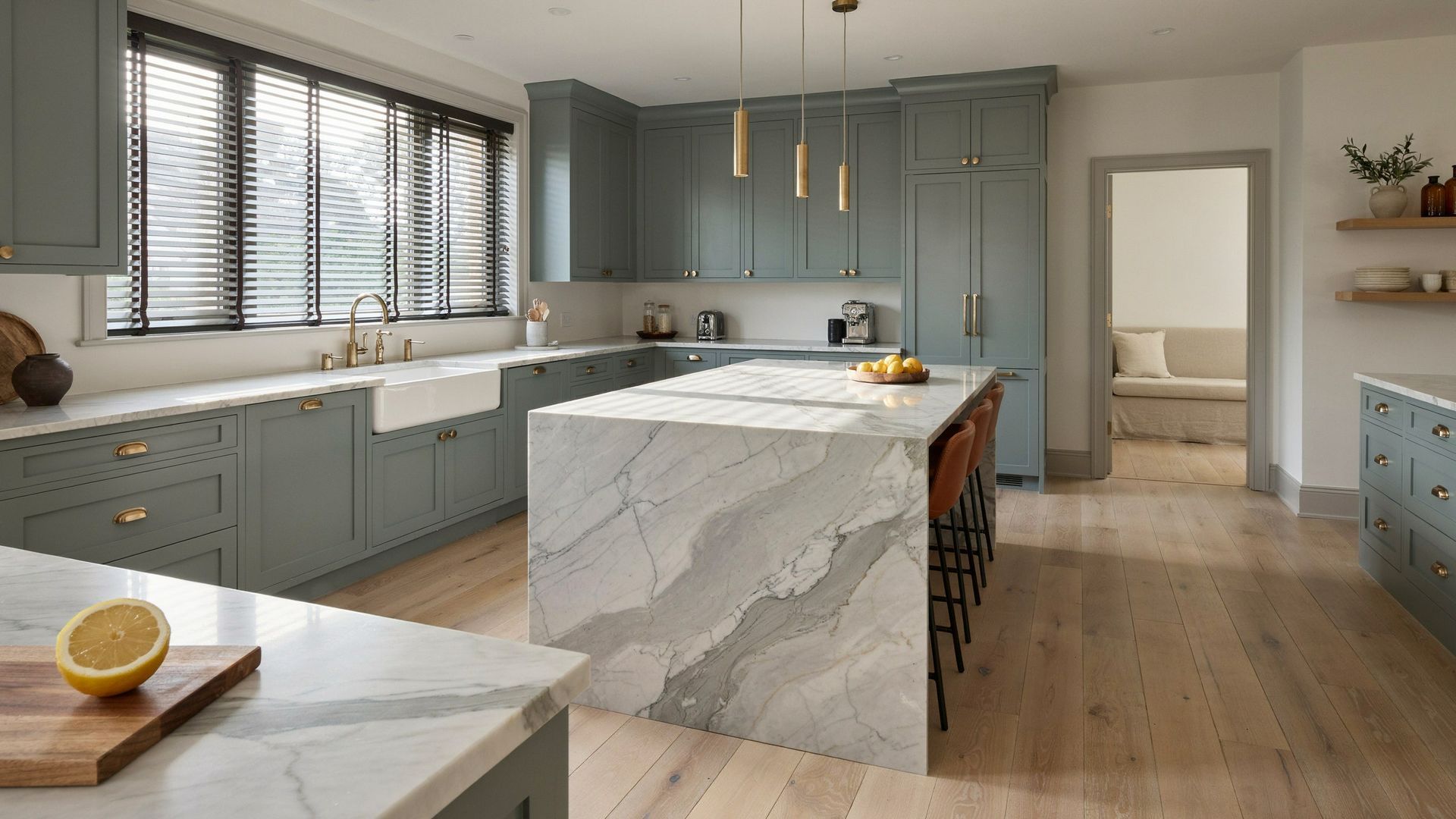
Bright modern kitchen with blue cabinets, wood blinds, marble island, and wood floors

What Is the Difference Between Wood and Faux Wood Blinds?


The biggest difference between wood and faux wood blinds is the material, which affects weight, moisture resistance, appearance, maintenance, and long-term performance.


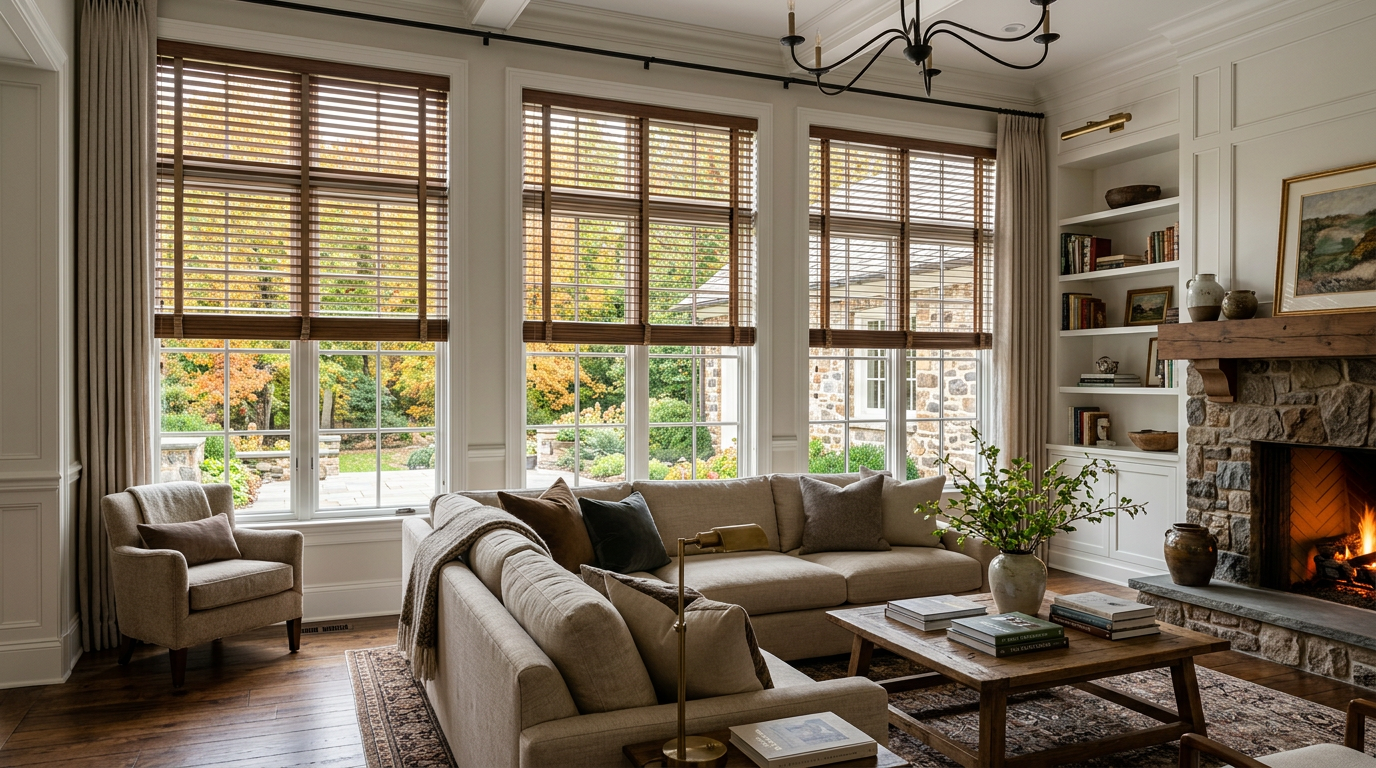
Real wood blinds are made from natural wood. Each slat can show subtle variations in grain and color that give the treatment an authentic furniture-quality appearance.


Faux wood blinds are engineered to create the look of painted or stained wood without using solid natural wood throughout the slat. Materials vary by manufacturer and product line.


In practical terms:


  • Wood blinds are usually lighter than comparable faux wood blinds.
  • Faux wood generally handles humidity and moisture better.
  • Real wood provides natural grain and warmth.
  • Faux wood offers a more consistent color and finish.
  • Both can provide excellent privacy and adjustable light control.


Neither material is automatically better.


Rachel considers the window, room, exposure, and homeowner's priorities before recommending one over the other.


Are Faux Wood Blinds Better for Bathrooms and Kitchens?


Faux wood blinds are generally the better choice for rooms with higher humidity because engineered materials tend to resist moisture better than natural wood.


Bathrooms are an obvious example. Steam and changing humidity levels can make natural wood less suitable, especially in rooms that do not ventilate quickly.


Kitchens also deserve careful consideration. A window near a sink may experience splashes, while cooking can add moisture and airborne residue.


Faux wood blinds are often easier to wipe clean in those environments. However, homeowners should not assume every faux wood product is designed for direct water exposure.


The specific material still matters.


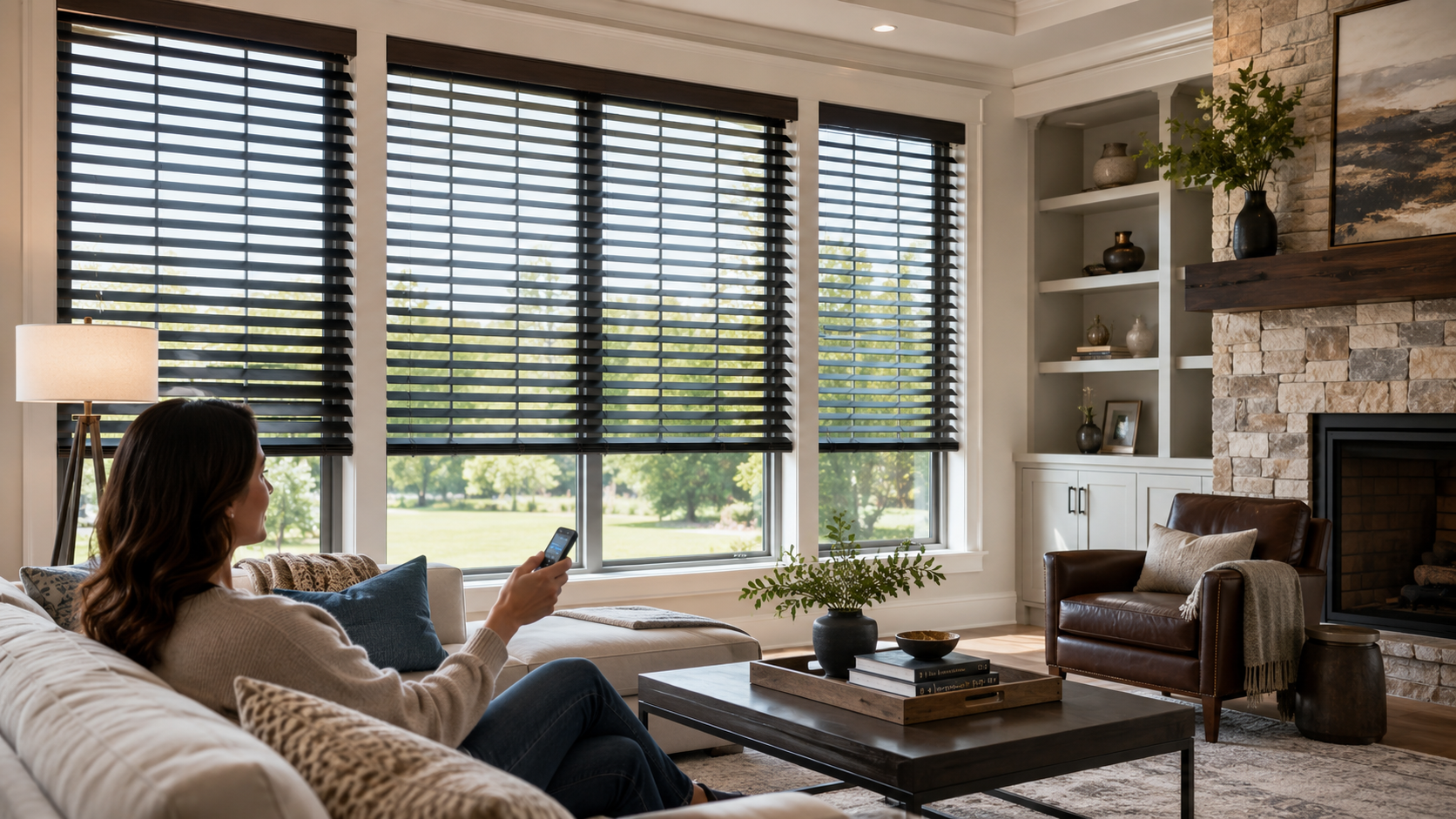
This is one area where NOVA can feature Norman® products. Norman® Ultimate™ Faux Wood Blinds offer the appearance of wood with the practical advantages of an engineered blind.


They also feature SmartPrivacy® Technology, which is designed to improve slat closure. That helps reduce light leakage and increase privacy when the blinds are closed.


For Northern Virginia families, that combination can make faux wood especially practical in frequently used rooms.


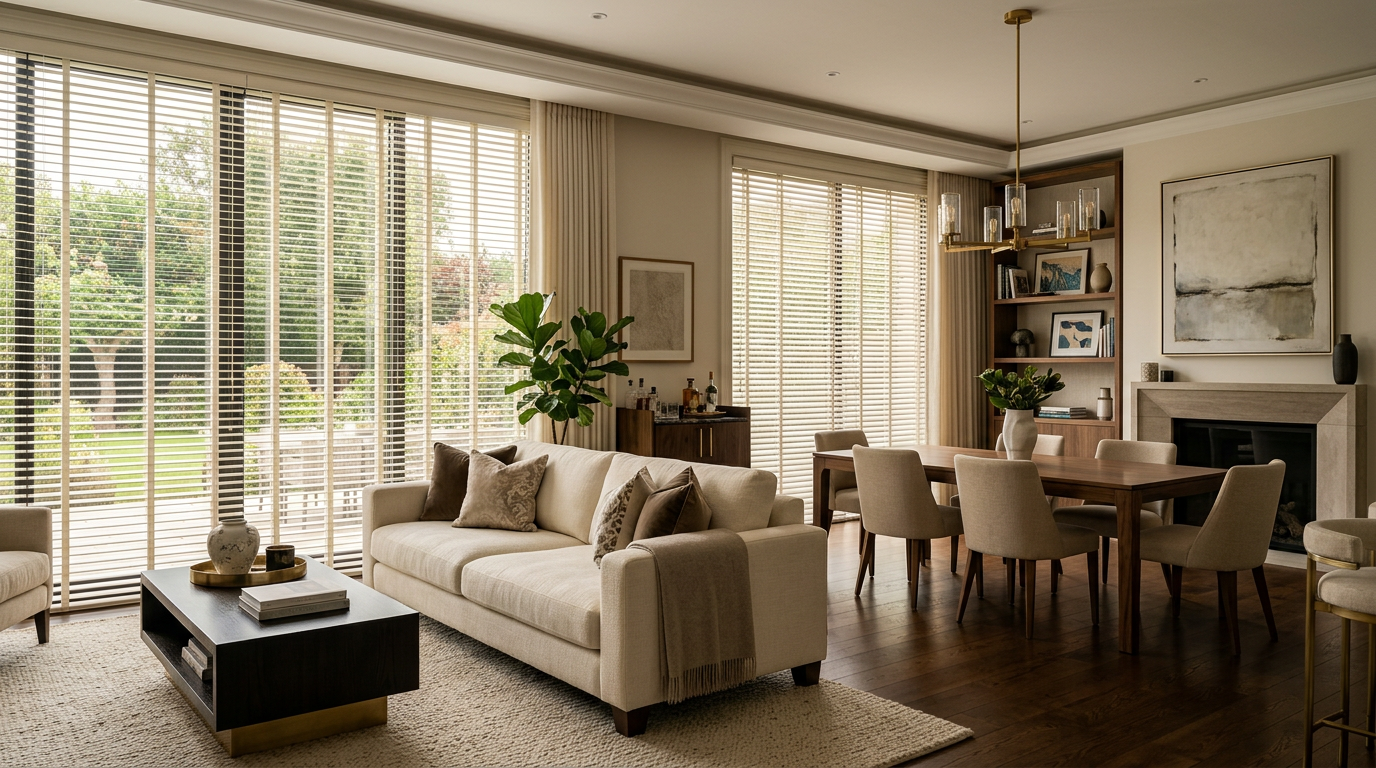
Bright living-dining room with beige sofa, wooden table, large windows with window blinds, plants, and neutral decor

Which Blinds Work Better for Large or Sunny Windows?


Wood blinds are often easier to operate on larger windows because natural wood is typically lighter than faux wood, but window dimensions and product specifications still determine the best choice.


Weight matters more than many homeowners realize.


As a blind becomes wider and taller, the number and length of its slats increase. Some faux wood materials are relatively heavy, so very large windows may require different configurations.


Strong sunlight creates another consideration.


Northern Virginia receives long periods of direct sun during summer. West-facing rooms can become especially bright and warm during August afternoons.


Both wood and faux wood blinds can help homeowners manage that light. Tilting the slats changes the amount and direction of sunlight without requiring the entire blind to be raised.


Material performance should also be considered over time. Natural wood can respond to prolonged heat, humidity, and ultraviolet exposure. Engineered materials have their own performance limits as well.


Rachel looks at the direction of the window, its size, and how homeowners operate it throughout the day. Those details can be more important than choosing a material based on appearance alone.


Are Wood or Faux Wood Blinds Easier to Maintain?


Faux wood blinds are usually easier to maintain in busy households because their engineered surfaces can often tolerate more routine wiping than natural wood.


Both types of blinds collect normal household dust. Regular light cleaning can help keep the slats looking their best.


Natural wood requires a little more care. Homeowners should avoid soaking wood slats or using cleaning methods that could damage the finish.


Faux wood can be a practical choice for:


  • Kitchens
  • Children's rooms
  • Busy family spaces
  • High-use areas
  • Rooms where frequent cleaning is expected


Real wood may make more sense in formal spaces where natural material and finish are greater priorities.


A McLean dining room, for example, may benefit from the richness of natural wood. A busy Fairfax breakfast room may benefit more from an easy-care faux wood product.


The decision should reflect how the room actually functions.


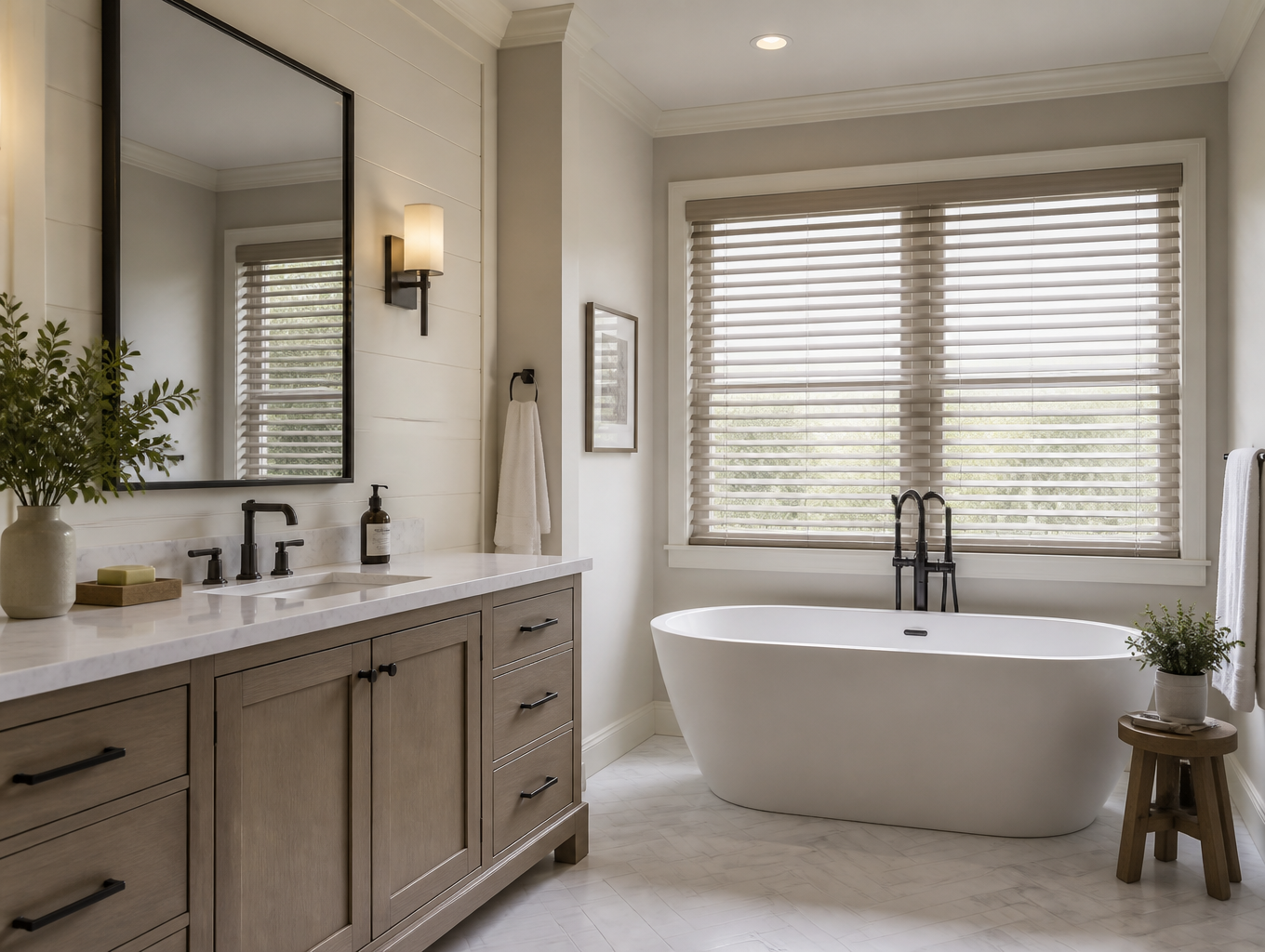
Modern bathroom with double vanity, freestanding tub, and window blinds in a neutral palette

Schedule Your Free In-Home Consultation


Choosing between wood and faux wood blinds becomes much easier when you can compare materials inside your own home. Rachel can help you consider sunlight, humidity, window size, maintenance, privacy, and the surrounding interior finishes.


Ready to find the perfect window treatments for your home? Whether you're in a luxury estate in McLean, a townhome in Arlington, or a new build in Ashburn, Rachel and the NOVA team are here to help.


We'll bring manufacturer-level expertise directly to your home — no sales pitch, no pressure.


Schedule Your Free In-Home Consultation


Frequently Asked Questions About Wood and Faux Wood Blinds


  • Q: Are faux wood blinds better than wood blinds?

    A: Faux wood blinds are better in some situations, especially where humidity, easy maintenance, or everyday durability is important. Real wood blinds may be preferred when natural grain, lighter weight, and an authentic wood finish are the priorities.

  • Q: What are faux wood blinds made of?

    A: Faux wood blinds are made from engineered materials designed to resemble natural wood. The exact composition varies by product and manufacturer, which is why homeowners should compare specific products rather than assume all faux wood blinds perform the same way.

  • Q: Are faux wood blinds good for bathrooms?

    A: Faux wood blinds are often a better choice than natural wood for humid bathrooms because they generally resist moisture more effectively. Product specifications and the amount of direct water exposure should still be considered.

  • Q: Which is easier to clean, wood or faux wood blinds?

    A: Faux wood blinds are generally easier to maintain because their engineered surfaces are well suited to routine cleaning. Natural wood should be cleaned more carefully to protect its finish and avoid excess moisture.

  • Q: Does Norman® make faux wood blinds?

    A: Yes. Norman® offers Ultimate™ Faux Wood Blinds, an engineered blind designed to combine a wood-inspired appearance with practical light control and privacy. SmartPrivacy® Technology helps create tighter slat closure for greater privacy and reduced light leakage.

Recent Posts

Modern kitchen with large island, wood cabinets, pendant lights, and a window over the sink
By Nova Blinds Shades Shutters August 27, 2026
Shopping for roller shades in Northern Virginia? Learn about light control, room darkening, UV exposure, motorization, large windows, and a custom fit by NoVa.
Cozy living room with beige sofa, chairs, wooden coffee table, and bamboo blinds filtering warm daylight
By NoVa Blinds Shades Shutters August 20, 2026
Explore woven wood shades for Northern Virginia homes, including privacy liners, room darkening, natural texture, light control, and design tips. See what fits.
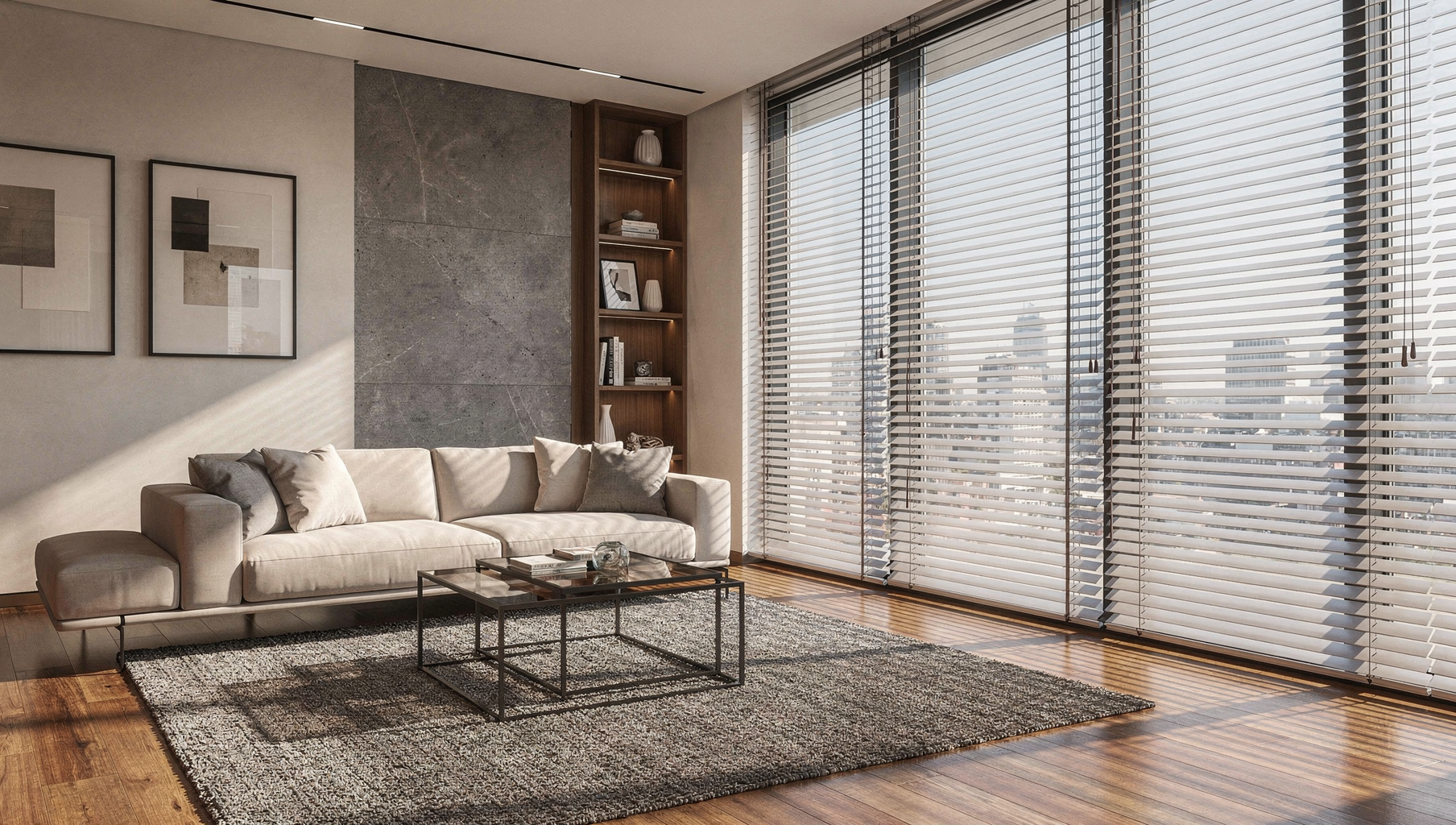
Bright modern living room with sofa, rug, wood floors, and large windows with city view
By NoVa Blinds Shades Shutters August 19, 2026
Searching for a "blind company near me"? NOVA Blinds, Shades, and Shutters explains what North VA homeowners should look for before scheduling a free consultation.
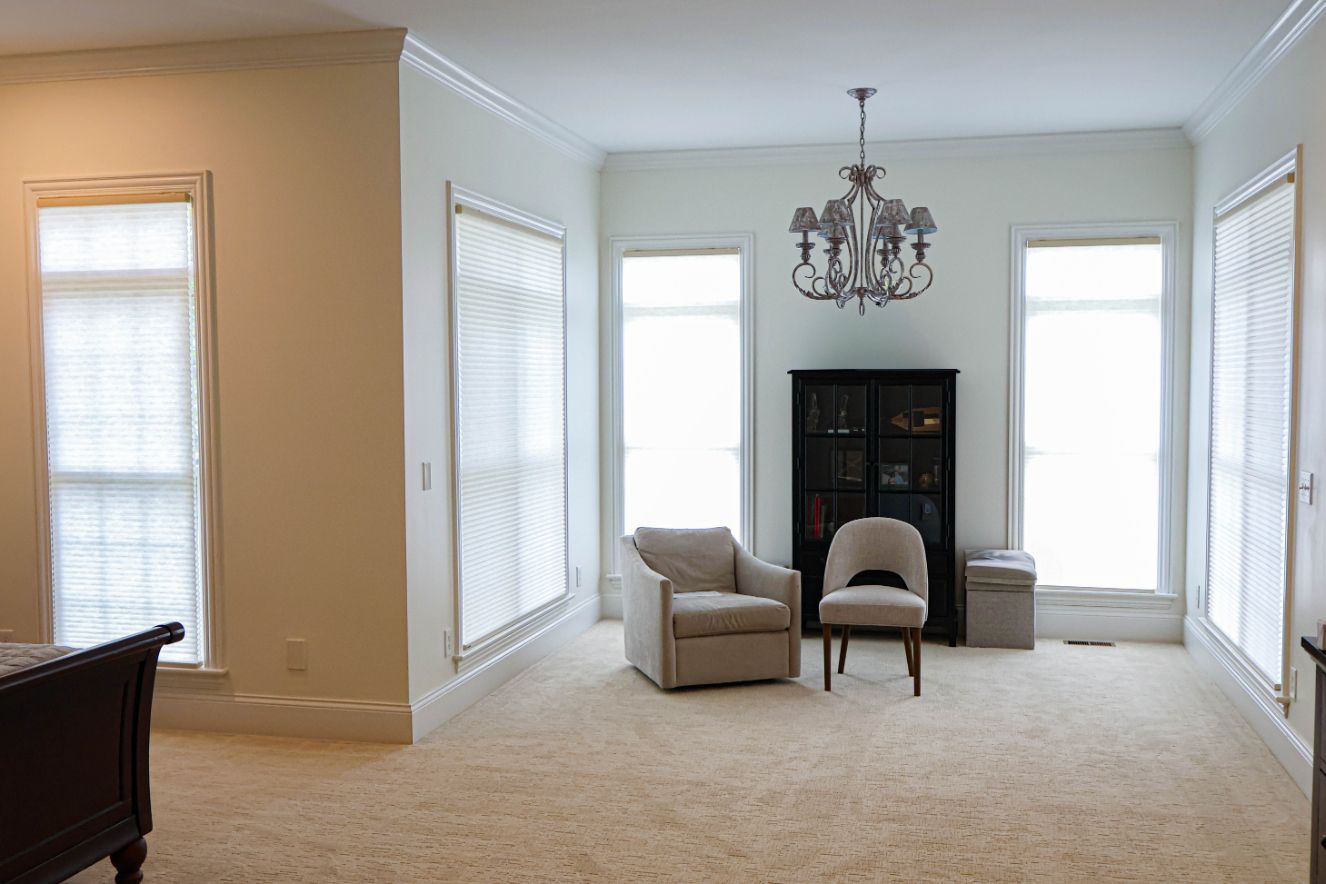
Bright living room with beige carpet, black chandelier, chairs, and tall windows with blinds.
By NoVa Blinds Shades Shutters July 30, 2026
Compare roller shades verses cellular shades with expert insight from NOVA Blinds, Shades & Shutters. Find the best option for your Northern Virginia home.
Toddler playing on a nursery floor beside a resting dog, with toys, a bed, and bright window curtains.
By NoVa Blinds Shades Shutters July 28, 2026
Learn the safest window treatments for homes with children, including cordless shades, blackout shades for nurseries, and shutters. NoVa Blinds Shades Shutters
Sunlit living room with tan blinds, curved sofa, armchair, and a coffee table with flowers
By NoVa Blinds Shades Shutters July 14, 2026
Looking for custom window shades near you? Rachel at NOVA Blinds, Shades & Shutters explains how to choose the right shades for your Northern Virginia home.
Elegant bedroom with large windows, gray tufted bench, and a view of green fields
By NoVa Blinds Shades Shutters July 14, 2026
NOVA Blinds, Shades & Shutters explains the best window treatments for heat control in Northern Virginia homes—schedule your free in-home consultation today.