Motorized Blinds in Northern Virginia: Are They Worth It?
Are Motorized Blinds Worth It for Northern Virginia Homes?
Motorized blinds and shades can be worth it when they make difficult windows easier to use, simplify daily routines, or improve light and privacy control. NOVA Blinds, Shades & Shutters recommends motorization where it solves a real problem rather than adding it to every window.
Rachel Brittain, co-founder of NOVA Blinds, Shades & Shutters, brings years of window treatment manufacturing experience to these decisions. She helps homeowners look beyond the technology itself and consider how motorization will work in the room every day.
For many Northern Virginia homes, the biggest benefit is simple: window treatments become easier to use.

Are Motorized Blinds Worth It in Northern Virginia?
Yes, motorized blinds and shades can be worth the investment when convenience, accessibility, privacy, or hard-to-reach windows are important.
The term “motorized blinds” is often used broadly by homeowners searching for automated window treatments. Depending on the product, motorization may be available for shades, blinds, shutters, or other compatible window coverings.
The strongest reason to motorize is not technology for technology's sake. It is solving a problem.
For example, motorization can help when:
- Windows are too high to reach comfortably
- Furniture blocks access to a window
- Several shades need adjustment each day
- A room receives strong changing sunlight
- Privacy needs change from morning to evening
- Large window treatments are inconvenient to operate manually
- A homeowner wants scheduled light control
- Easier operation is important for aging in place
A Fairfax homeowner with three easily reached bedroom windows may not need motorization everywhere. A Great Falls living room with a tall bank of windows may be a very different situation.
Rachel's approach is to identify where automation adds meaningful value first.
Which Windows Benefit Most From Motorized Shades?
Large, tall, hard-to-reach, and frequently adjusted windows often benefit the most from motorized shades.
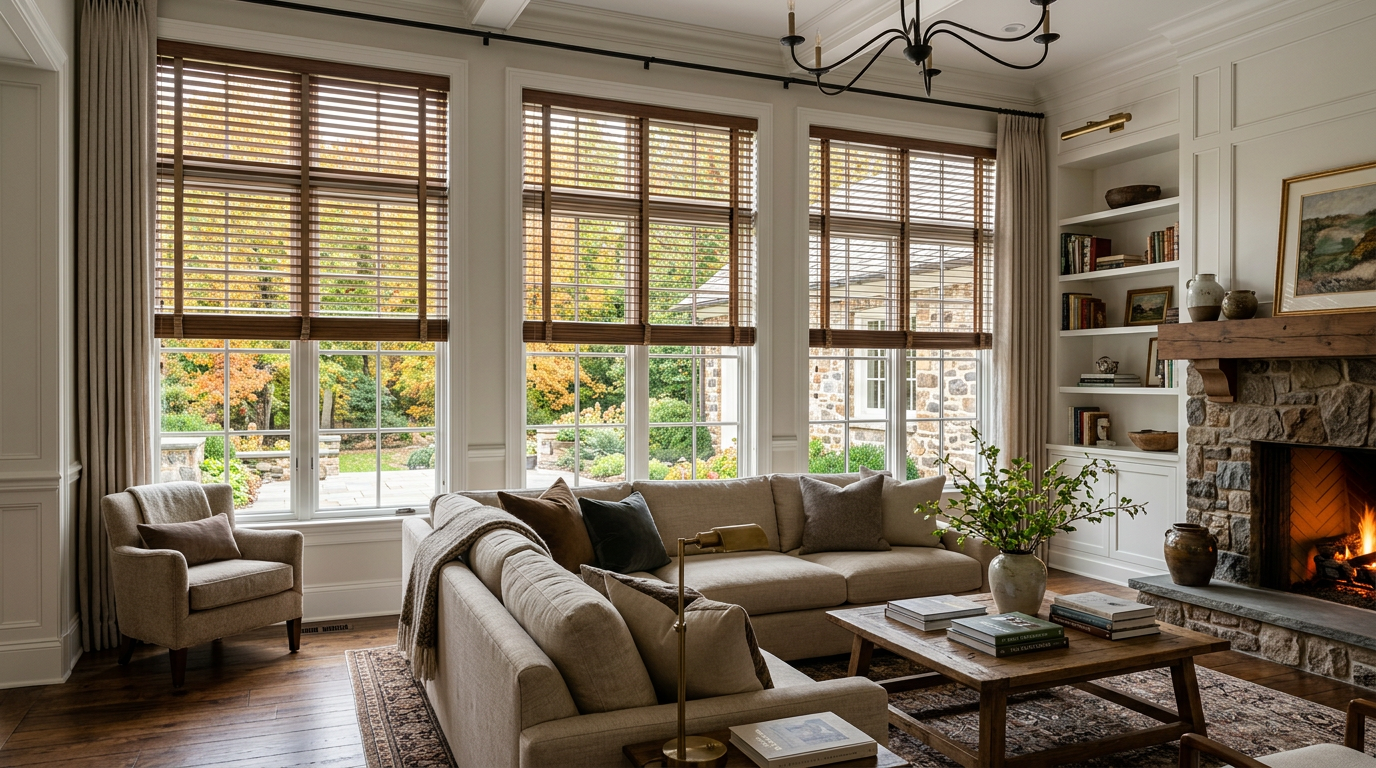
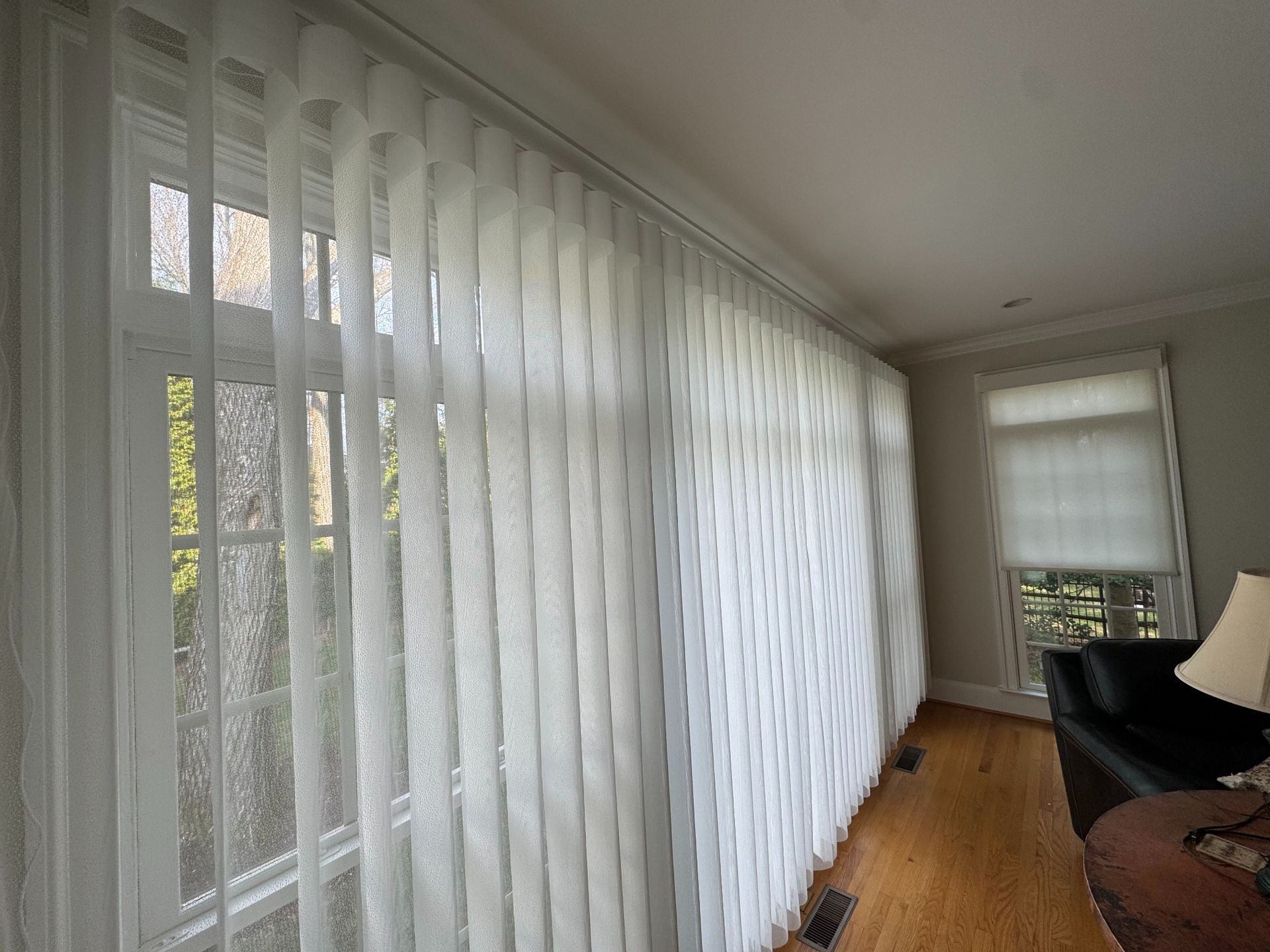
Northern Virginia homes can include large expanses of glass, two-story foyers, high stairway windows, and open living spaces. These windows can look impressive but become inconvenient once a manual shade needs regular adjustment.
Motorization can be especially useful for:
- Tall foyer windows
- Windows above staircases
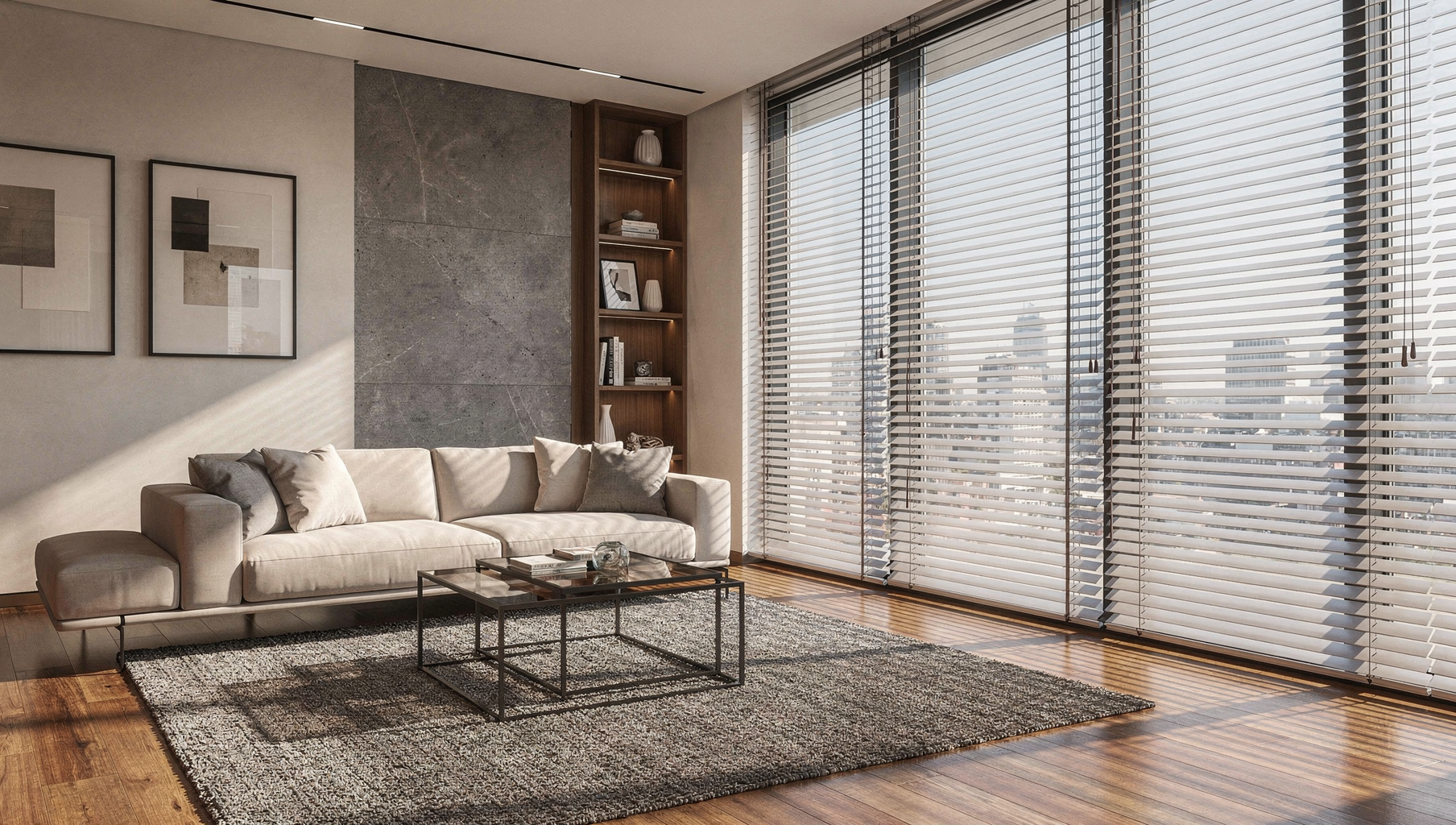
- Large living room windows
- Multiple shades installed side by side
- Windows behind sofas or desks
- Bedroom shades opened and closed every day
- Home office windows affected by screen glare
- Media rooms that need frequent light control
Large windows deserve special attention.
A wide or tall shade must be designed around the size and weight of the treatment. Not every motor, shade, or configuration is appropriate for every opening.
This is why professional measuring and product selection matter.
NOVA can evaluate the opening, mounting conditions, operating system, and intended use before recommending motorization.

Can Existing Northern Virginia Homes Use Motorized Window Treatments?
Yes, many existing homes can use motorized window treatments without being built as smart homes from the start.
Homeowners sometimes assume motorized shades belong only in new construction. That is not the case.
Many modern systems are designed for retrofit applications. The exact options depend on the product, power source, window, and chosen control system.
That makes motorization relevant in established areas such as:
- Fairfax
- Vienna
- McLean
- Great Falls
- Falls Church
- Arlington
- Alexandria
- Annandale
Older homes can present unique installation conditions. Trim depth, window shape, available mounting space, and previous renovations can all affect the final solution.
Newer homes in Ashburn, Sterling, and Leesburg may present a different opportunity. Homeowners may be choosing treatments for many windows at once and can plan motorization as part of the whole-home design.
Either way, the house does not need to be designed around automated shades from the beginning.
The window treatment system simply needs to be selected carefully for the existing space.
How Do Scheduling and Smart Home Integration Work?
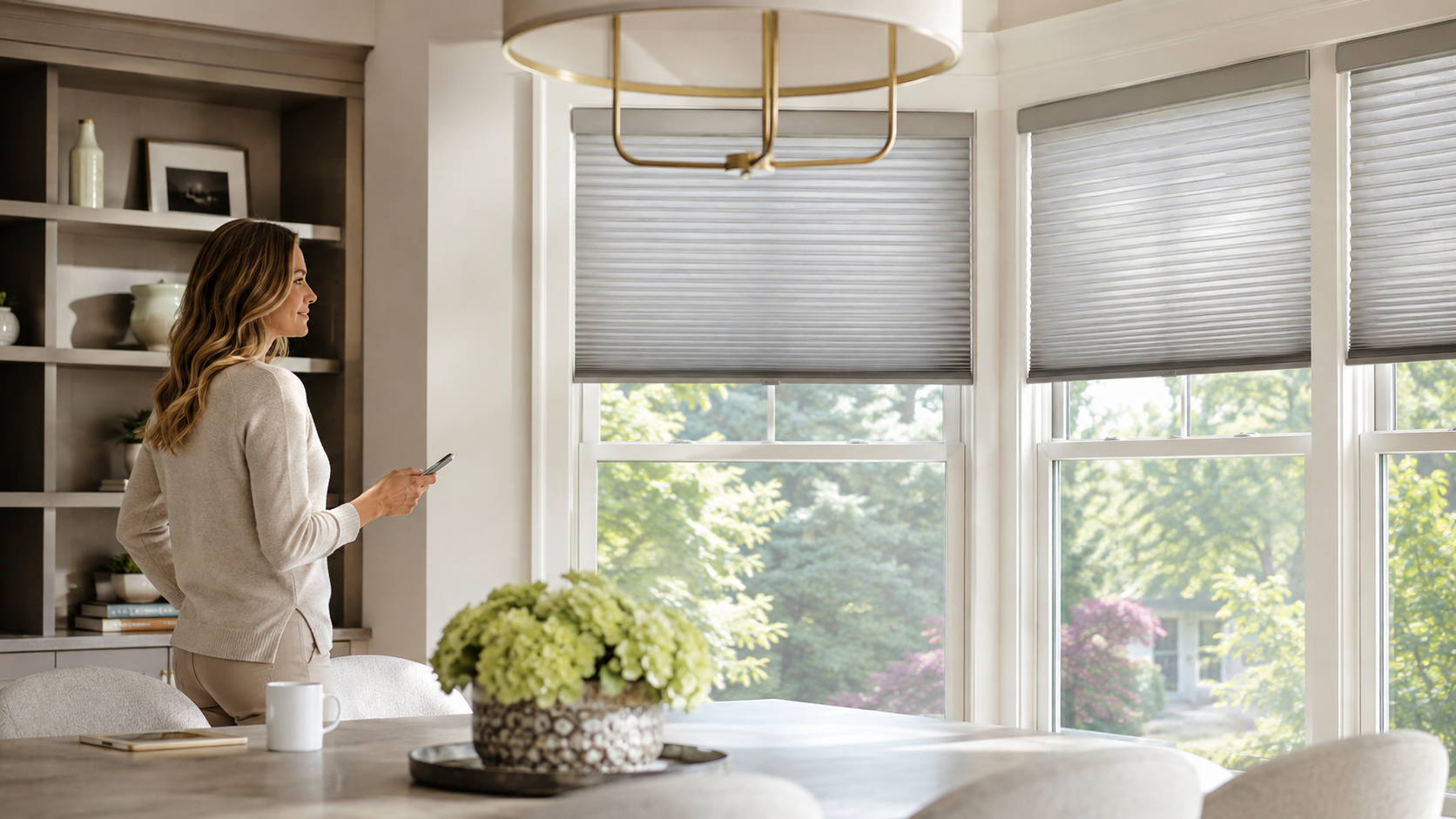
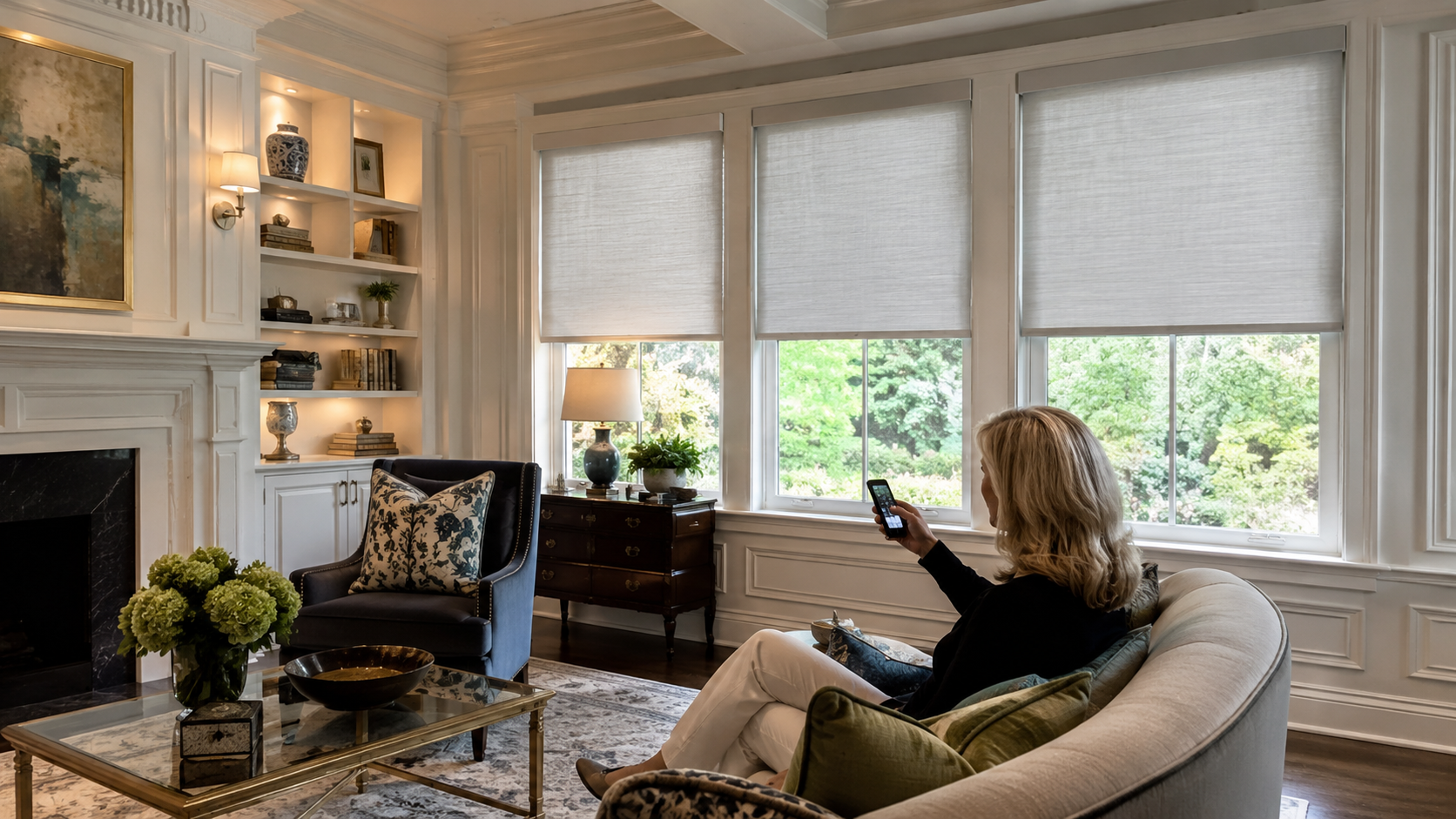
Motorized smart window treatments can offer remote, app, scheduled, or smart-home control depending on the product and operating system selected.
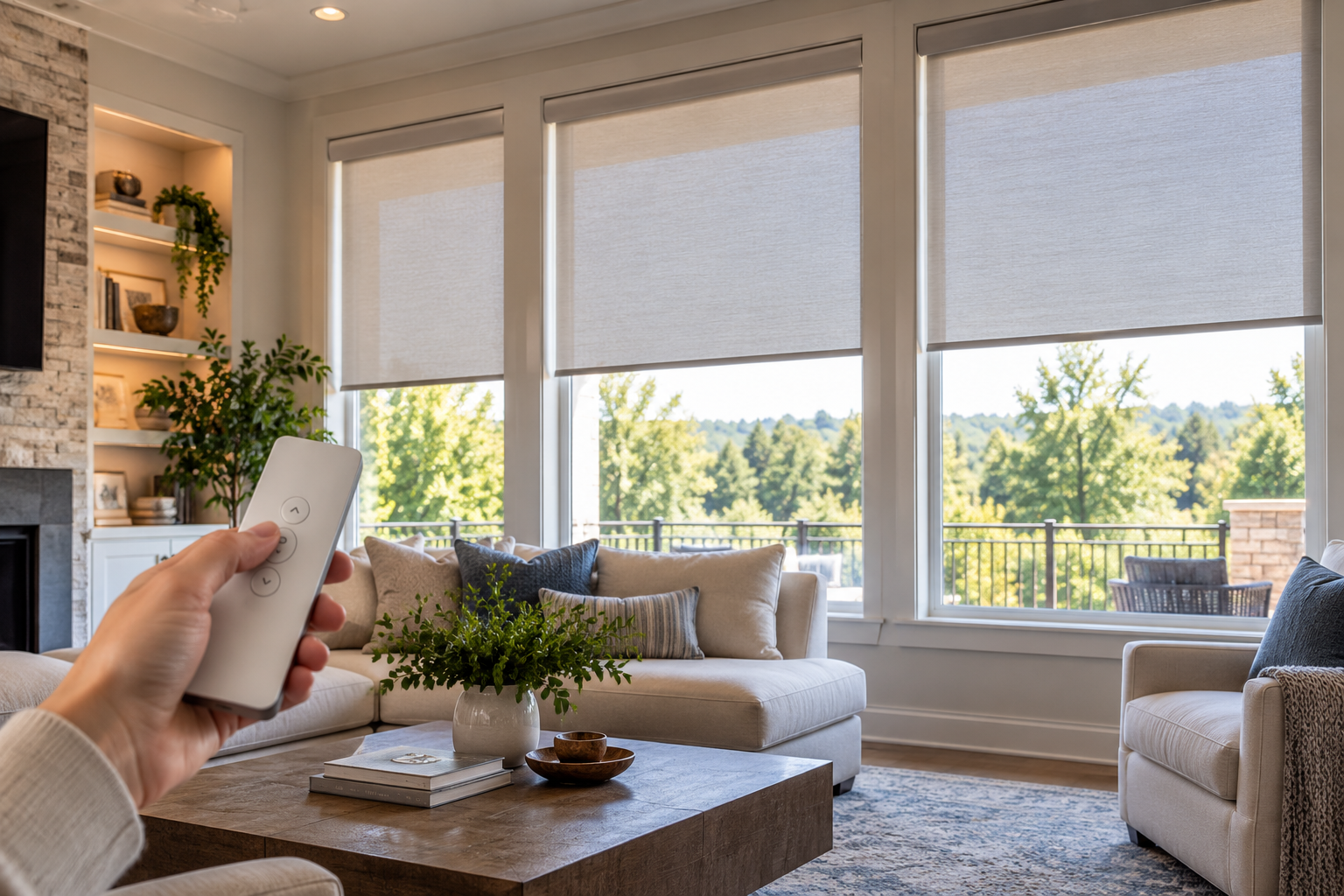
A basic motorized smart shade or smart blind may be controlled with a handheld remote control. More advanced systems can add features that make the treatments part of a daily routine.
For example, compatible systems may allow homeowners to:
- Open shades in the morning
- Lower them during strong afternoon sun
- Close bedroom shades in the evening
- Adjust several shades at the same time
- Control hard-to-reach windows remotely
- Incorporate window treatments into compatible smart-home routines
Scheduling can be especially useful for privacy.
An Arlington townhome may benefit from shades closing automatically in the evening when indoor lights become more visible from outside. A west-facing McLean family room may benefit from shades lowering during intense afternoon sun.
Smart-home integration can add another level of convenience. Available features vary by system, so homeowners should confirm compatibility before assuming a particular app, hub, or voice platform will work.
NOVA offers Norman® window treatments, including compatible products that can use Norman® Smart Motorization.
The goal is to choose the level of automation that matches the homeowner's routine.

Do You Need Motorization on Every Window?
No. Most homeowners do not need to motorize every window to benefit from automated window treatments.
A selective approach often makes more sense.
Think about which windows cause the most inconvenience. Those are usually the best places to start.
A Northern Virginia home might use motorization in:
- A two-story family room
- The primary bedroom
- A home office
- Several large west-facing windows
- A nursery
- A media room
Other windows may work perfectly well with a simple cordless treatment.
This room-by-room approach also allows different types of window treatments to work together.
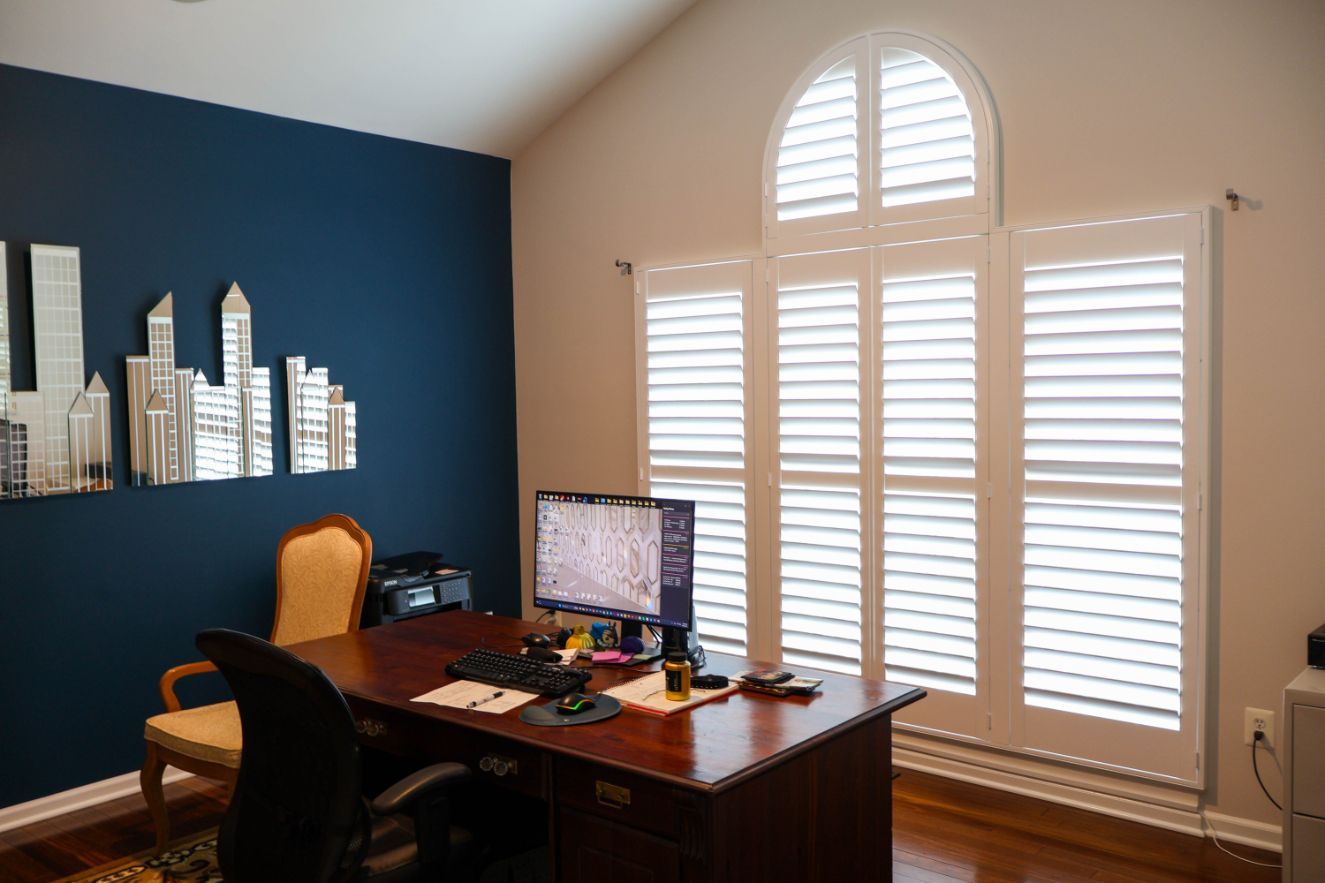
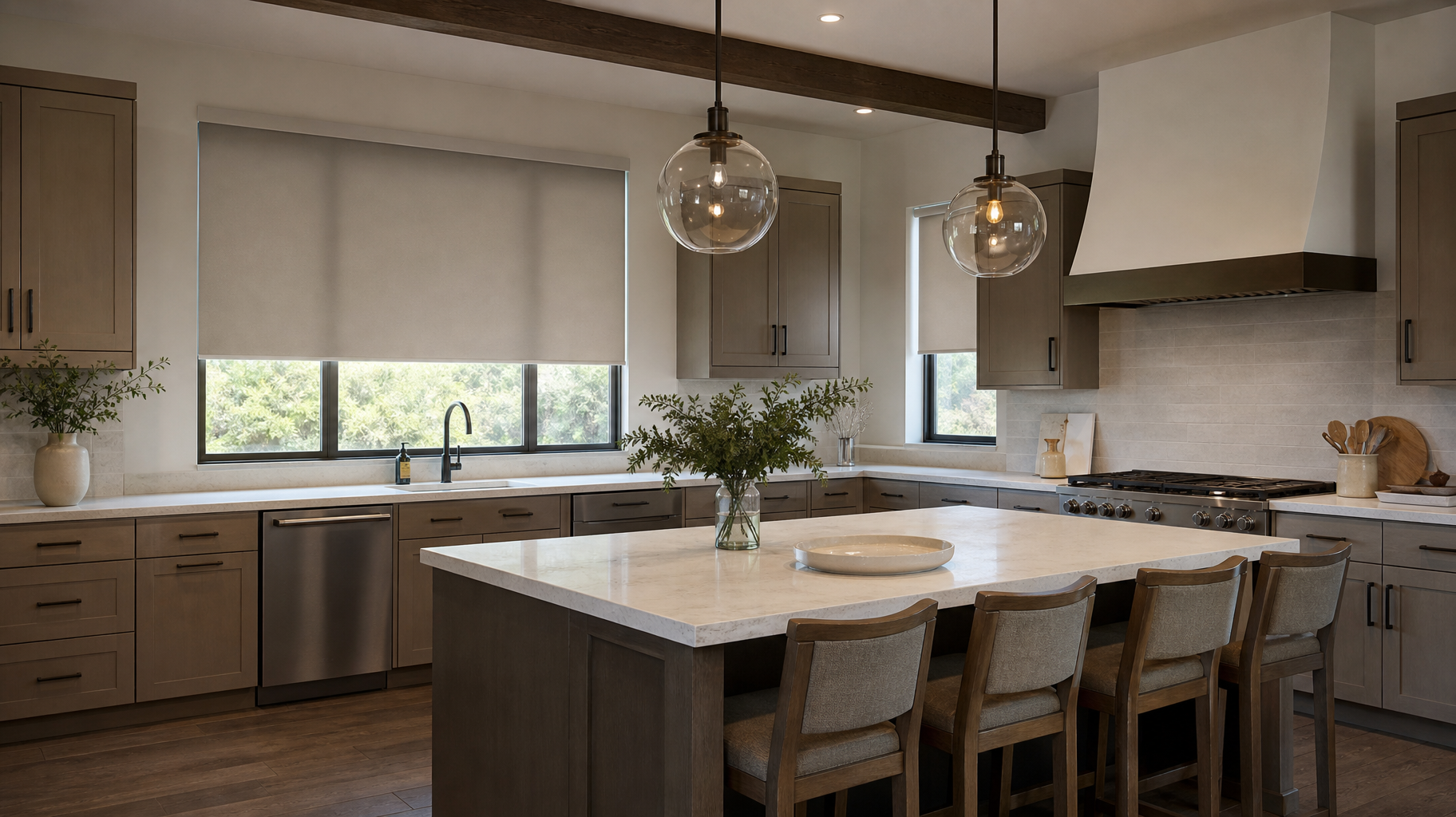
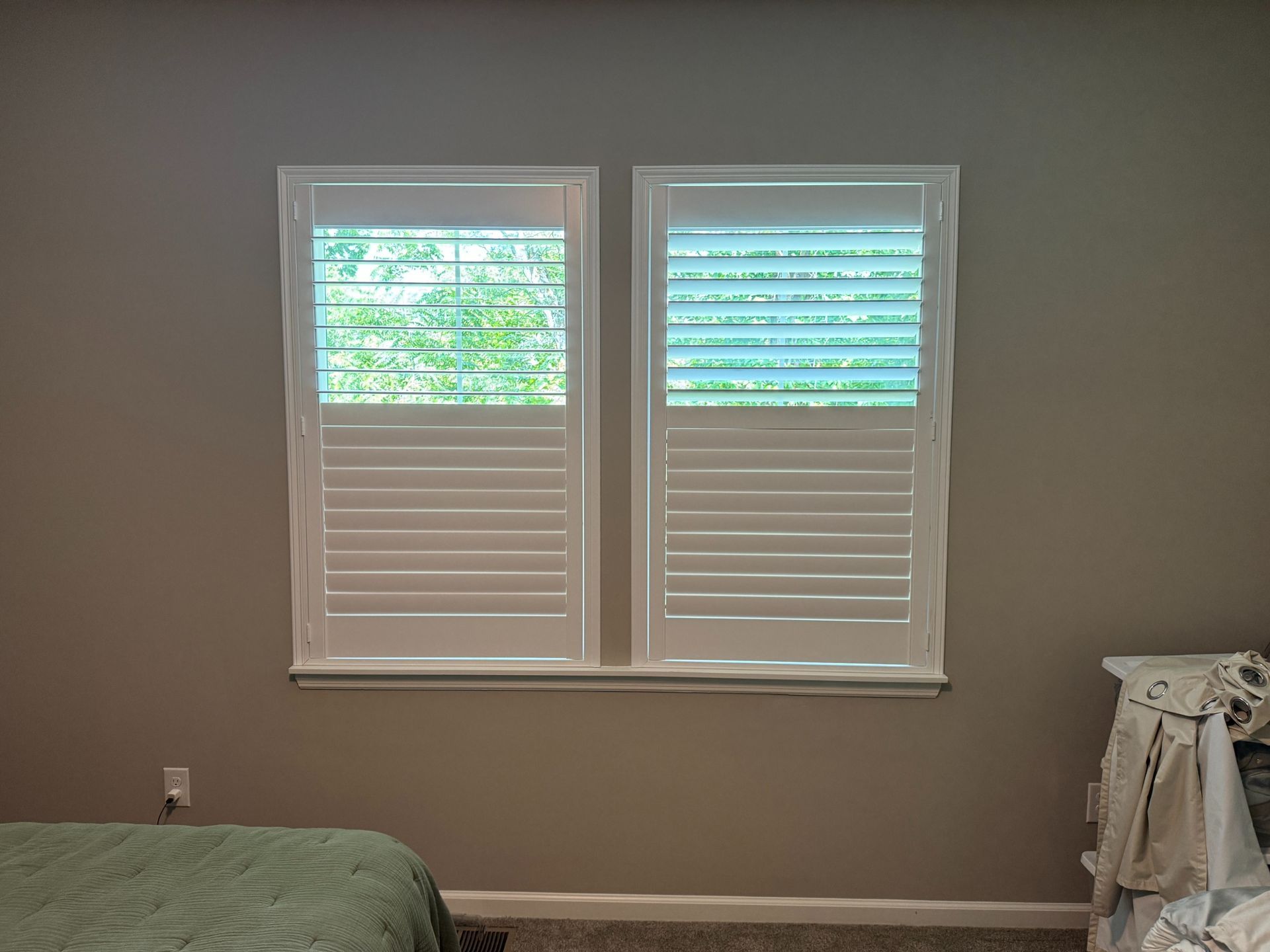
For example, a homeowner might choose motorized roller shades for large living room windows, cordless cellular shades in guest rooms, and interior shutters in a dining room.
The entire home does not need one operating system.
Rachel focuses on how each room is used, who operates the treatment, and how often it needs adjustment. That helps prevent homeowners from paying for automation where it adds little practical benefit.
For NOVA Blinds, Shades & Shutters, motorization is a tool. It is not the goal.
The goal is a window treatment that works better for the homeowner.
Schedule Your Free In-Home Consultation
Motorized window treatments can make a major difference in the right places. The key is knowing which windows truly benefit from automation and which do not.
Ready to find the right window treatments for your home? Whether you're in Fairfax, a luxury estate in McLean, a townhome in Arlington, or a new build in Ashburn, Rachel and the NOVA team are here to help.
We'll bring manufacturer-level expertise directly to your home — no sales pitch, no pressure.
Schedule Your Free In-Home Consultation
Frequently Asked Questions About Motorized Blinds and Shades
Q: Are motorized blinds worth the money?
A: They can be worth it when they make windows easier to operate or solve a daily inconvenience. Large, high, blocked, or frequently adjusted windows tend to benefit the most from motorization.
Q: Can motorized shades be installed in an existing home?
A: Yes. Many motorized window treatment systems can be used in existing homes. The best configuration depends on the window, product, mounting conditions, power options, and desired controls.
Q: Are motorized blinds good for large windows?
A: Motorization can be very useful for large windows because it makes frequent operation easier. However, the size and weight of the treatment must be matched to a compatible system.
Q: Can motorized shades work with a smart home?
A: Many systems offer smart-home integration, but compatibility varies. Some may support app control, schedules, hubs, or voice-control platforms, depending on the selected product and equipment.
Q: Does every window need to be motorized?
A: No. Many homeowners get the most value by motorizing only the windows where automation solves a clear problem. Other windows can use cordless or manually operated treatments.