Plantation Shutters in Northern Virginia: What to Know
What Should You Know Before Buying Plantation Shutters in
Northern Virginia?
Plantation shutters can add privacy, adjustable light control, and a finished architectural look to Northern Virginia homes. The best results depend on choosing the right louver size, material, frame, and fit for the window.
Rachel Brittain, co-founder of NOVA Blinds, Shades & Shutters, helps homeowners look beyond the appearance of a shutter sample. Window depth, trim, sun exposure, room use, and the proportions of the opening all affect how the finished shutters will look and operate.
Plantation shutters are also a specific style of interior shutter. They are not simply another name for every shutter installed inside a home.

What Is the Difference Between Plantation Shutters and Other Interior Shutters?
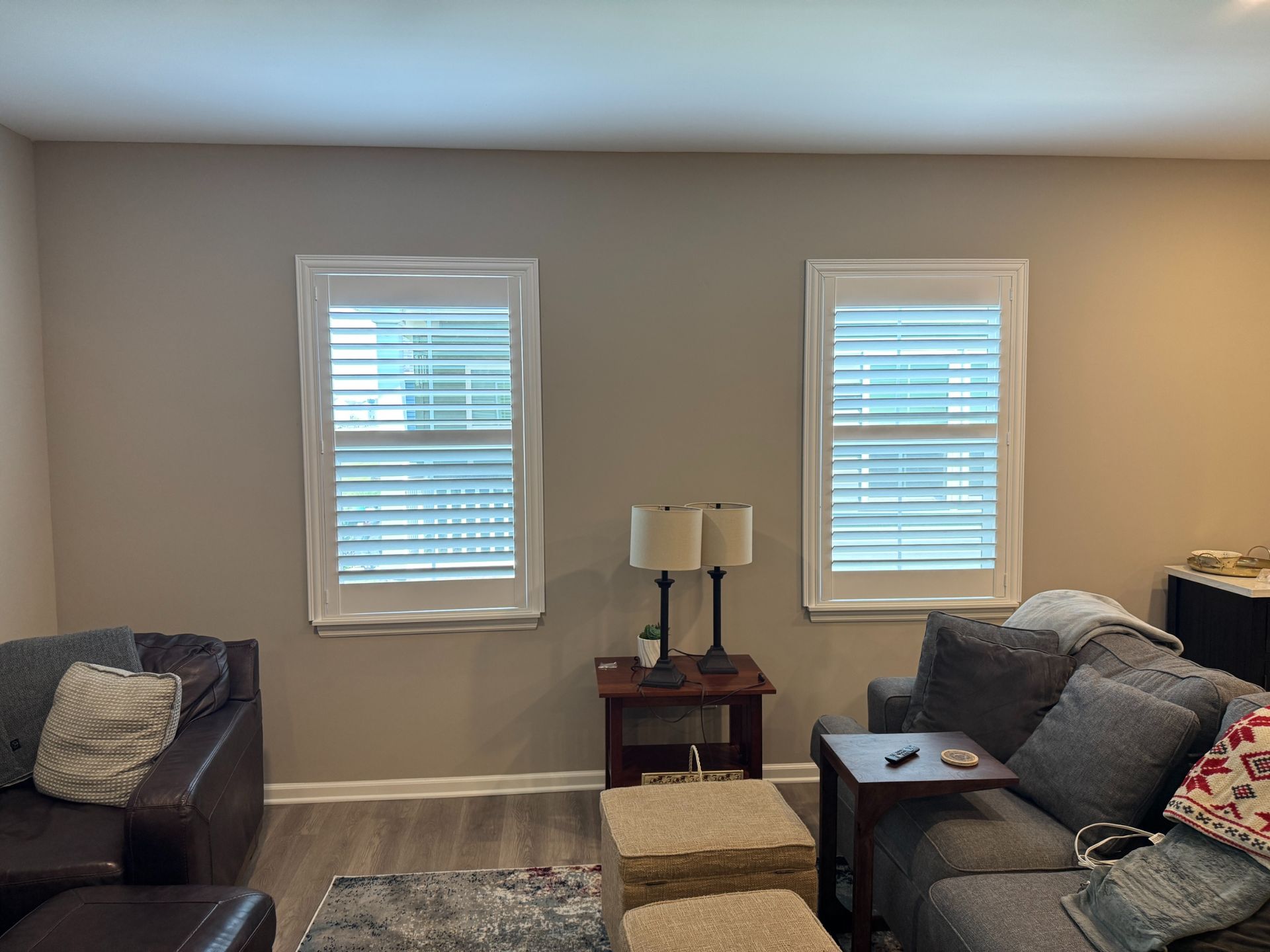
Plantation shutters use wider louvers than more traditional interior shutter styles, creating a more open view and a cleaner, updated appearance.
Traditional interior shutters often use narrow louvers, sometimes around 1 to 1.25 inches. They can create a classic or historic look with more horizontal lines across the window.
Plantation-style shutters generally use much wider louvers, often around 2.5 to 4.5 inches.
That difference affects more than appearance.
Wider louvers can provide:
- A more open view when tilted
- Fewer horizontal lines across the window
- Strong directional light control
- A more contemporary or transitional look
- A sense of greater scale on larger windows
Traditional shutters may be the better visual fit for certain historic or very traditional interiors.
This distinction is important because homeowners searching for “shutters near me” may actually be considering several different styles.
NOVA Blinds, Shades & Shutters helps determine which shutter style fits both the home and the homeowner's design goals.
How Does Louver Size Change the Look of Plantation Shutters?
Louver size changes how open the window feels, how much of the outdoor view remains visible, and how prominent the shutter appears in the room.
Larger louvers create fewer visual interruptions across the glass. When they are open, homeowners often get a broader view through the window.
Smaller louvers create more horizontal lines. They can feel more traditional and detailed.
The size of the window also matters.
A wide louver may feel balanced on a large Great Falls or McLean window. The same proportion may look different on a smaller opening in an older Vienna or Fairfax home.
Rachel also considers the surrounding trim and architecture.
Shutters should look proportional to:
- The height of the window
- The width of the opening
- Existing casing and trim
- Ceiling height
- Nearby doors and windows
- The scale of the room
There is no single louver size that works best everywhere.
The goal is to make the shutter look like it belongs to the window rather than covering it.

Should You Choose Wood or Composite Plantation Shutters?
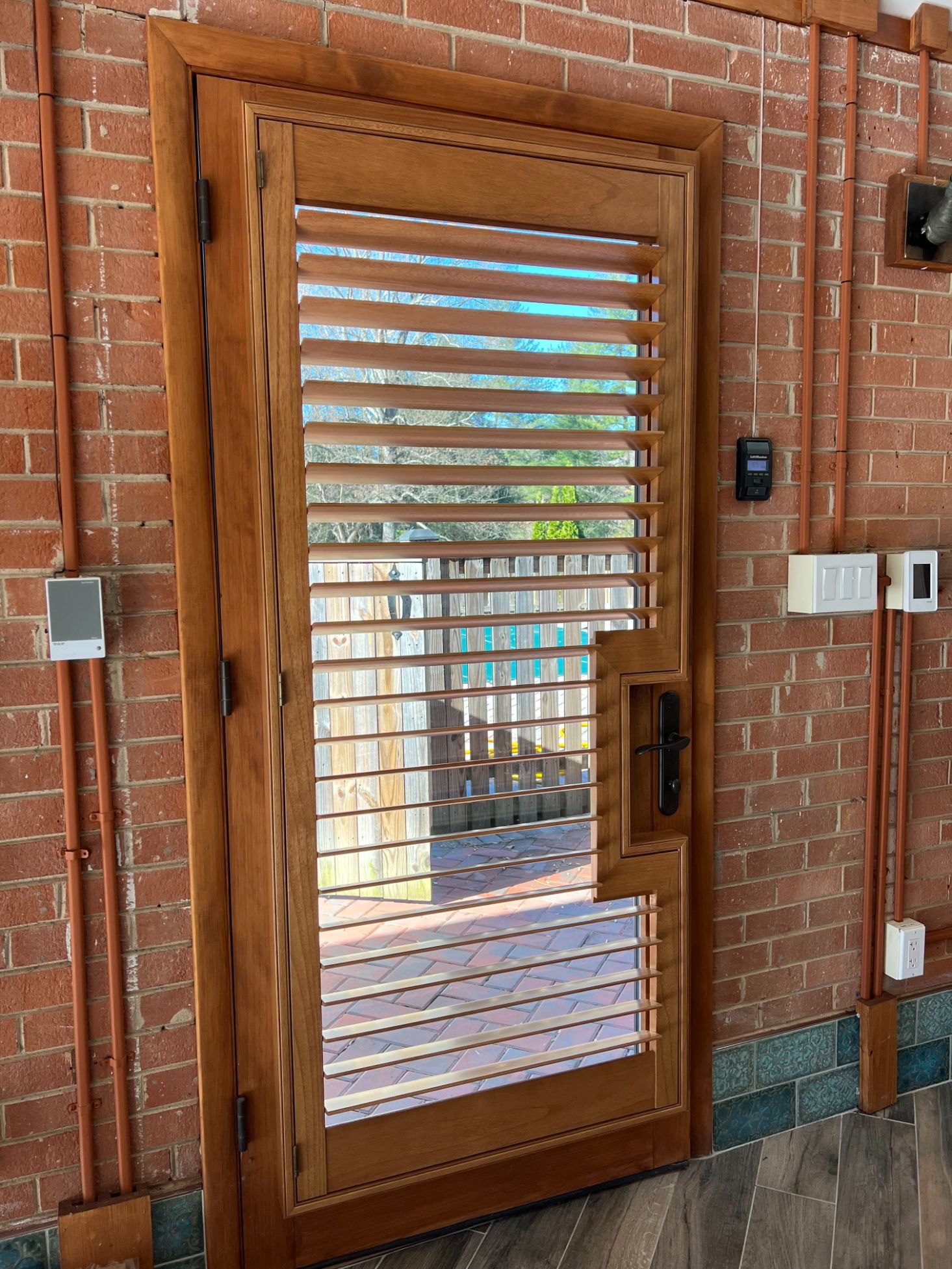
Wood shutters are often chosen for natural character and lighter weight, while composite or engineered shutters can provide added durability and consistent finishes.
Natural wood can be especially attractive in formal living rooms, dining rooms, home offices, and spaces with hardwood floors or detailed millwork.
Wood also offers authentic grain and warmth that can be difficult to reproduce with another material.
Composite shutters have different advantages.
Depending on the product, engineered materials may be useful where homeowners prioritize:
- Durability
- Easy maintenance
- Consistent color
- Humidity resistance
- High-use family spaces
The room should influence the decision.
A shutter material that works beautifully in a McLean study may not be the material Rachel recommends for a bathroom or other moisture-prone space.
NOVA also offers Norman® shutter options, giving homeowners access to both natural wood and engineered material choices. Rachel can help compare those products based on the actual window instead of selecting material by appearance alone.

Do Plantation Shutters Work on Large or Unusual Windows?
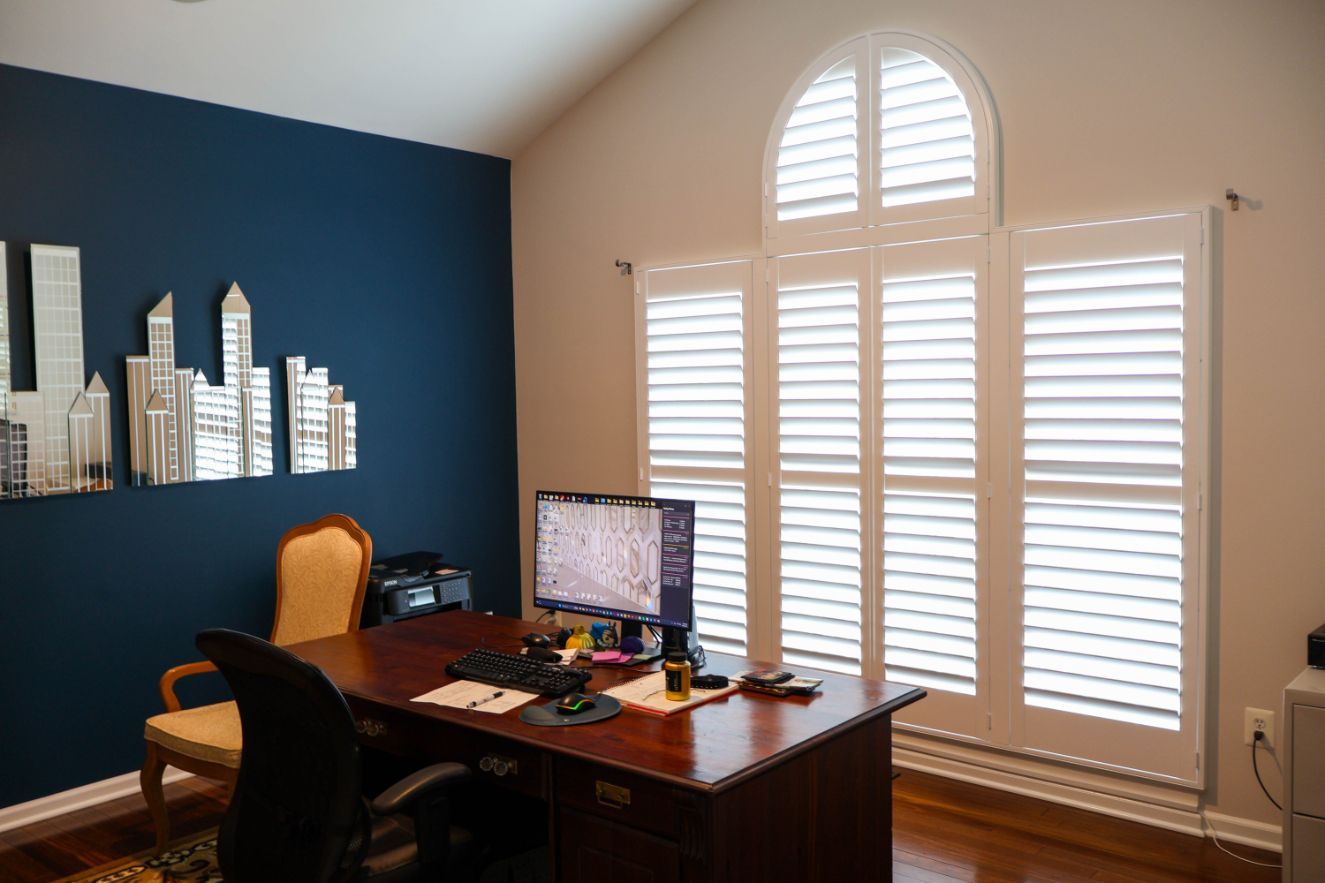
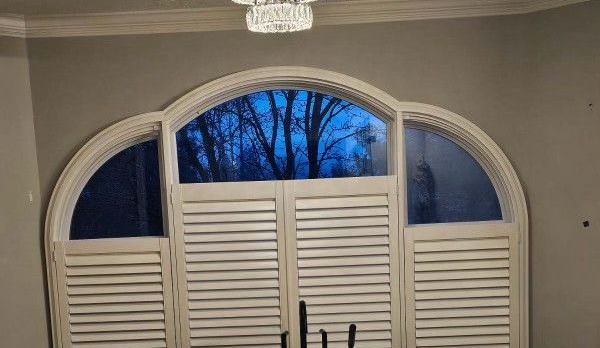
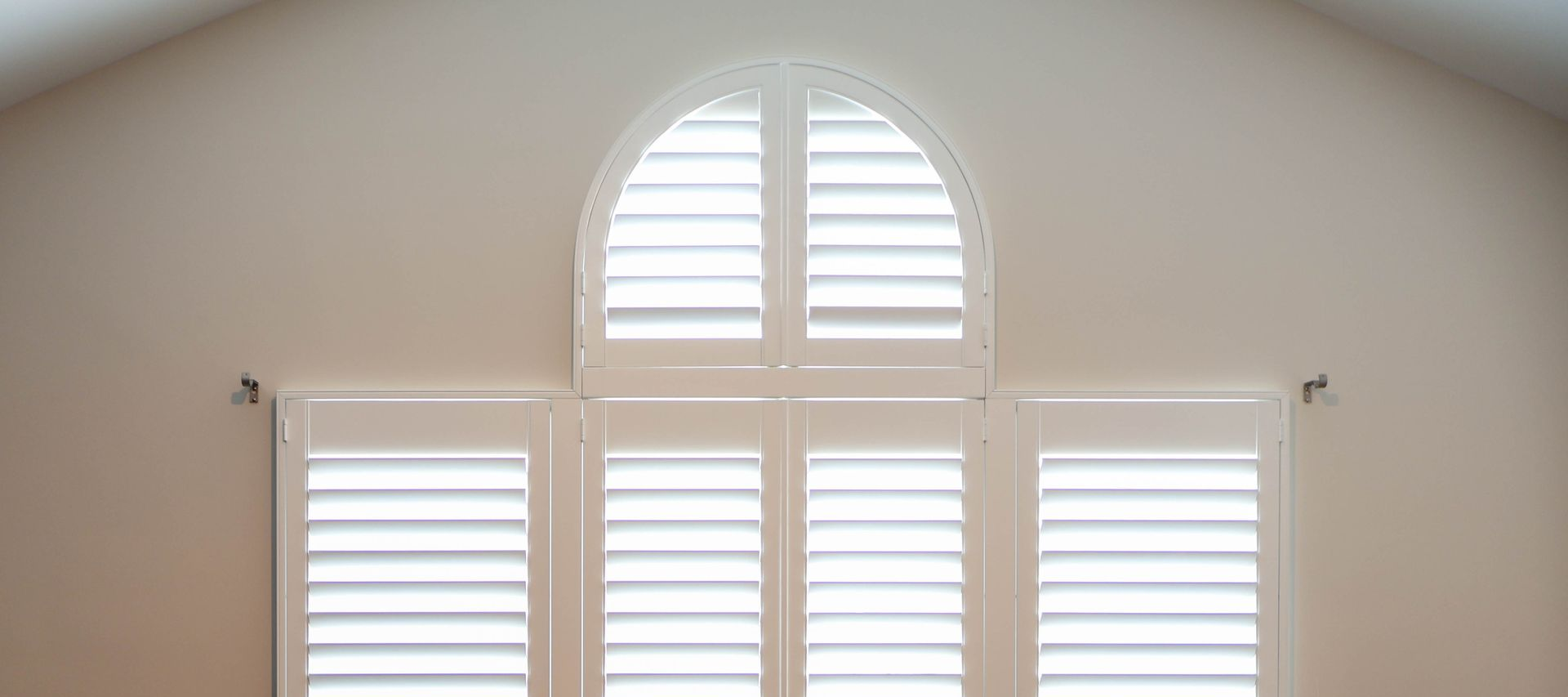
Yes, custom plantation shutters can work on many large and unusually shaped windows, but proper design and measuring become especially important.
Large windows require careful consideration of panel size, weight, hinges, frames, and how the shutters will open.
Specialty-shaped windows can present additional challenges.
Northern Virginia homes may include:
- Arched windows
- Bay windows
- Tall windows
- Wide window banks
- Windows with deep trim
- Shallow window openings
- Unusual architectural shapes
Custom shutters can sometimes highlight these features rather than hide them.
That is one reason shutters are often considered a more architectural window treatment. Unlike a fabric shade that sits over the glass, shutters become a visible part of the window opening.
The installation plan matters just as much as the shutter itself.
A poorly planned frame can interfere with existing trim or make the window feel crowded. A properly designed shutter should look intentional from across the room.

Why Does Professional Measuring Matter for Plantation Shutters?
Professional measuring matters because shutters must fit the opening, trim, mounting surface, and operating space very precisely.
Shutters are less forgiving than many soft window treatments.
Measurements affect:
- Panel width
- Panel height
- Frame selection
- Hinge placement
- Clearance
- Mounting method
- How the shutters open
- How balanced the finished window looks
Older Northern Virginia homes can create additional challenges.
A window may look square without actually being perfectly square. Renovations, replacement windows, deep trim, or shallow sills can also change the available mounting space.
Rachel and the NOVA team evaluate those conditions before the shutters are ordered.
Professional installation then ensures the finished panels are aligned and operate correctly.
This is especially important on large openings and custom architectural windows.
Schedule Your Free In-Home Consultation
Plantation shutters can become part of the architecture of a room, so details such as material, louver size, proportion, and installation matter.
Ready to find the right shutters for your home? Whether you're in a luxury estate in McLean, an established home in Vienna, a townhome in Arlington, or a property in Fairfax, Rachel and the NOVA team are here to help.
We'll bring manufacturer-level expertise directly to your home — no sales pitch, no pressure.
Schedule Your Free In-Home Consultation
Frequently Asked Questions About Plantation Shutters
Q: Are plantation shutters the same as interior shutters?
A: Plantation shutters are one type of interior shutter. They typically use wider louvers that create a more open look, while traditional interior shutters may use much narrower louvers and have a more historic appearance.
Q: What louver size is best for plantation shutters?
A: The best louver size depends on the window, room, view, and desired style. Larger louvers create fewer visual lines and a more open view, while smaller louvers can create a more traditional appearance.
Q: Are wood or composite plantation shutters better?
A: Neither material is best for every room. Real wood provides natural grain and warmth, while engineered or composite materials can offer practical benefits such as consistent finishes, durability, and moisture resistance.
Q: Do plantation shutters provide privacy at night?
A: Yes. Closing and tilting the louvers can provide strong privacy after dark. The exact coverage depends on the shutter design, fit, and louver position.
Q: Does NOVA Blinds, Shades & Shutters install plantation shutters?
A: Yes. NOVA provides custom plantation shutters, other interior shutter styles, professional measuring, and installation throughout Northern Virginia.